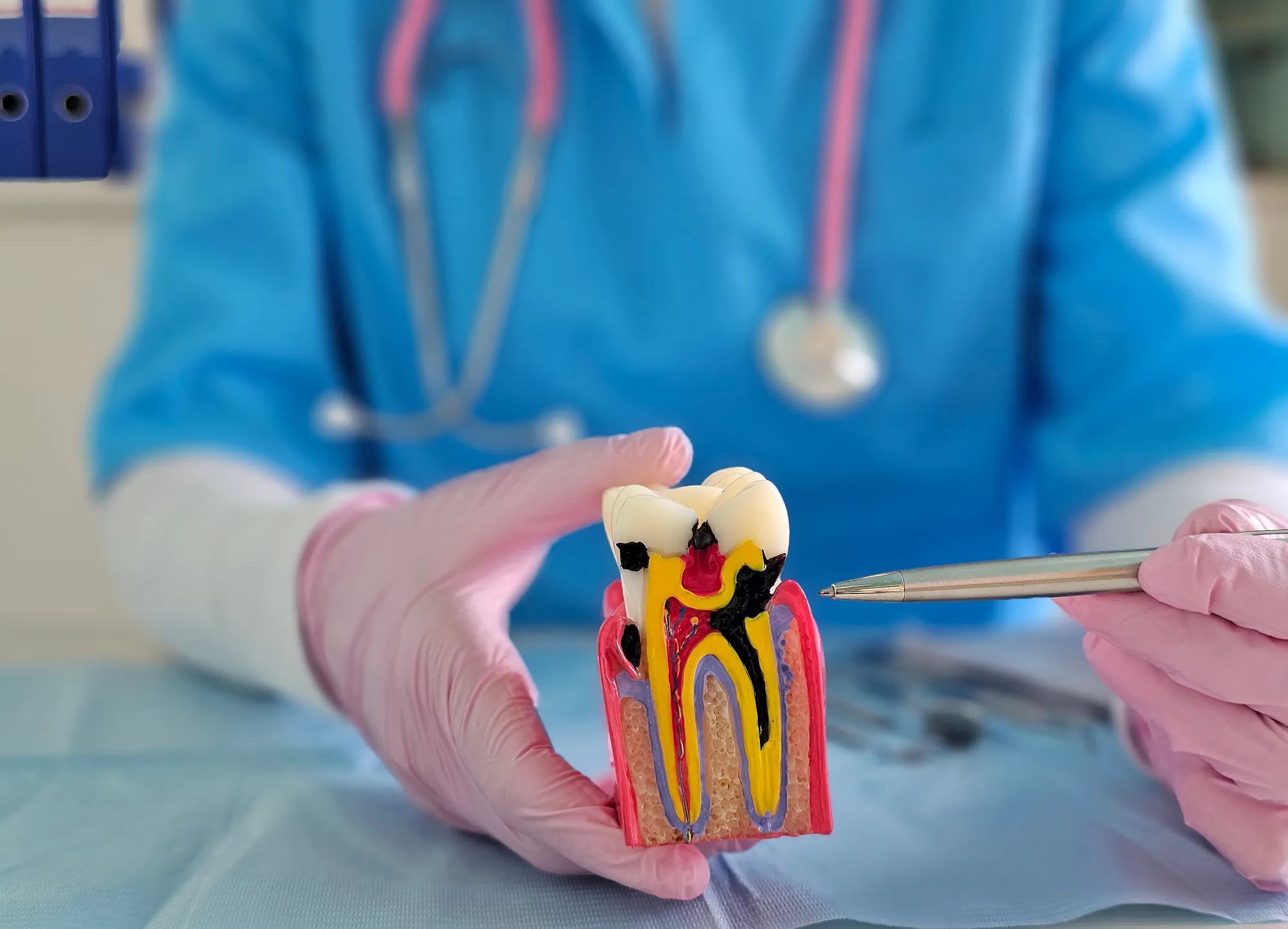

A dental crown is a custom-made cap that covers a damaged, weakened, or heavily restored tooth to protect it and restore its shape, strength, and appearance. You may need one after a root canal, a large filling, a cracked or worn tooth, or to complete a dental implant. The process traditionally takes two visits — one to prepare the tooth and take a digital scan, and one to place the final crown — though same-day options exist. A well-cared-for crown can last 10 to 15 years or more.
If your dentist has recommended a dental crown, you may be wondering what that actually means — and whether it’s really necessary. Crowns are one of the most common and versatile restorations in dentistry, quietly saving teeth that would otherwise be lost. Here’s a clear look at what they are, when you need one, and what to expect.
What Is a Dental Crown?
A crown is a custom cap that fits over the entire visible portion of a tooth, restoring it to its natural shape, size, and strength. Think of it as a protective helmet for a tooth that’s been compromised. Made from materials like porcelain or ceramic, modern crowns are designed to match the color and contour of your natural teeth so closely that they blend right in.
When Do You Actually Need a Crown?
A crown is typically recommended when a tooth needs more protection or rebuilding than a filling can provide. Common situations include:
- A cracked, fractured, or badly worn tooth that needs to be held together and protected
- A tooth with a very large filling where not enough natural structure remains to support it
- After a root canal, when the treated tooth becomes more brittle and needs reinforcement
- A severely decayed tooth that can’t be restored with a standard filling
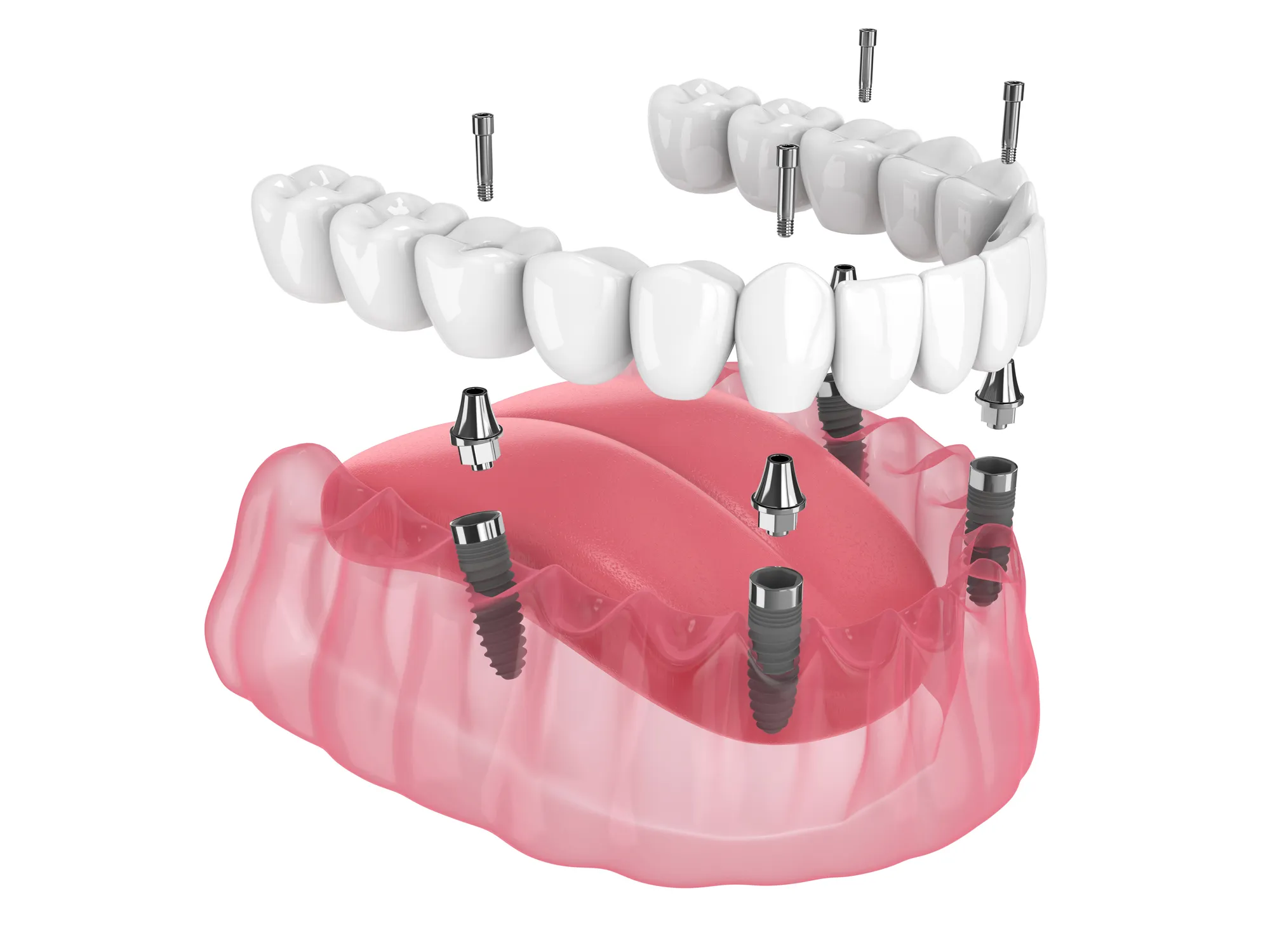
- To complete a dental implant or anchor a dental bridge
When decay or damage falls somewhere between “too much for a filling” and “not enough for a full crown,” your dentist may suggest inlays or onlays instead — a more conservative option that preserves more of your natural tooth.
Crowns, Bridges, and Implants: How They Connect
Crowns don’t always work alone. A dental bridge uses crowns on the neighboring teeth to anchor a replacement for a missing tooth. And when a tooth is lost entirely, a dental implant is topped with a crown to complete the restoration. Understanding how these pieces fit together helps you see why a crown is often part of a larger plan to protect your long-term oral health.
The Crown Process, Step by Step
Getting a crown is more comfortable and precise than it used to be, thanks to digital technology:
- Evaluation: Your dentist confirms a crown is the right choice and checks whether any underlying issues, like decay, need to be addressed first.
- Preparation: The tooth is gently shaped to make room for the crown. The area is numbed for comfort throughout.
- Digital scan: Instead of messy molds, we use iTero digital scanning to capture a precise 3D impression for a seamless fit.
- Temporary crown: You’ll wear a temporary crown while your custom restoration is crafted (for two-visit cases).
- Placement: Your final crown is checked for fit, color, and bite, then securely bonded in place.
Caring for Your Crown
A crown doesn’t need special products — just consistent care. Brush and floss as you normally would, avoid using your teeth as tools, and keep up with regular checkups so your dentist can monitor the crown and the tooth beneath it. If you grind your teeth, a nightguard can protect your investment. With good habits, crowns commonly last well over a decade.