A root canal treats infection or inflammation inside a tooth, in the soft tissue called the pulp. Common warning signs include lingering tooth pain, sensitivity to hot or cold that doesn’t go away, pain when chewing, swelling or tenderness in the gums, or a darkening tooth. Despite its reputation, a modern root canal is similar to getting a filling — it’s done under anesthesia, it relieves pain rather than causing it, and it saves your natural tooth. Most people return to normal activities the next day.
No dental procedure has a worse reputation than the root canal — and few deserve it less. The truth is that root canal therapy is what stops tooth pain, not what causes it. If you’ve been told you might need one, or you’re worried about symptoms, here’s what’s really going on and what to expect.
What Is a Root Canal, Really?
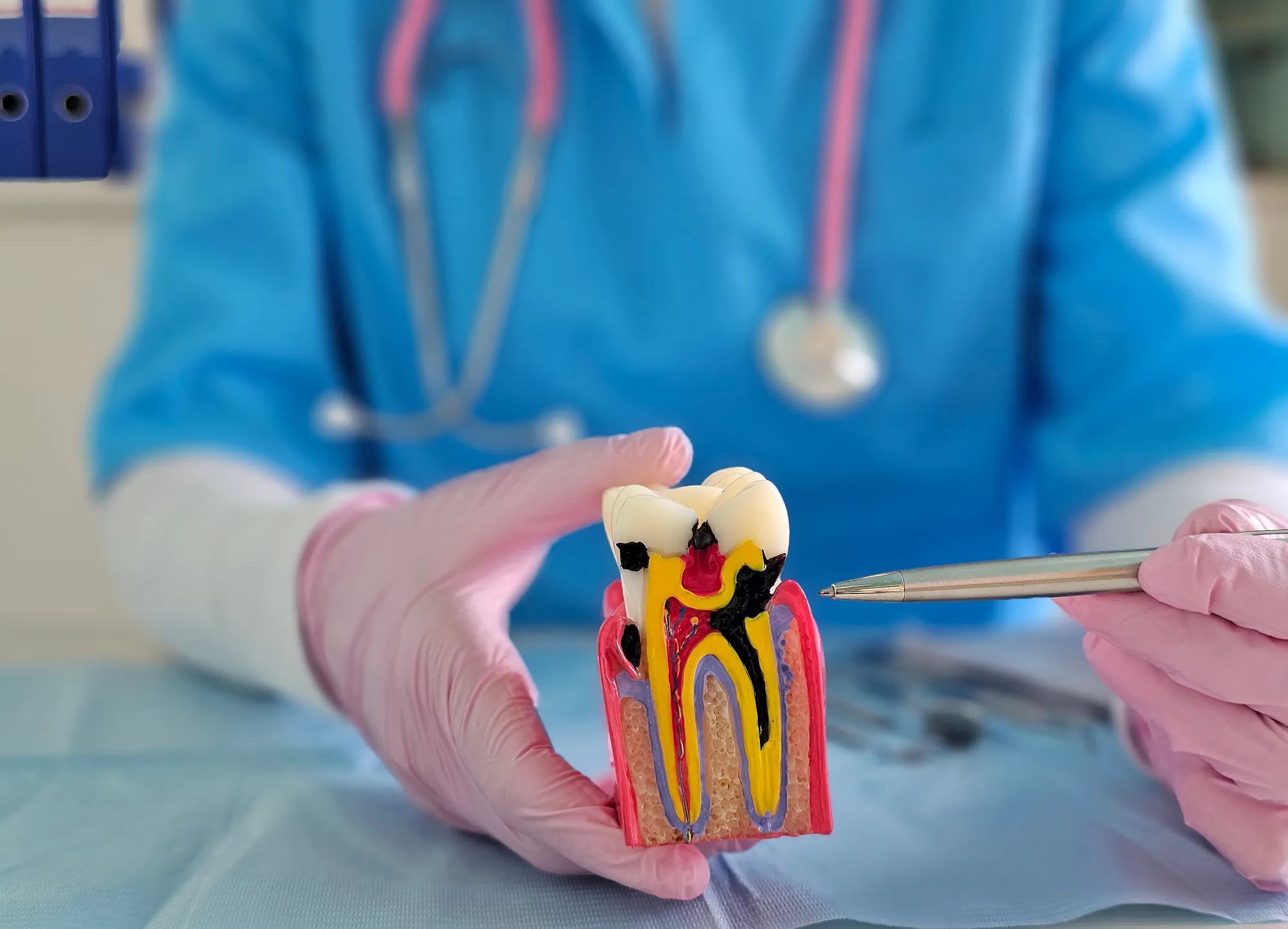
Inside every tooth is a soft core called the pulp, which contains nerves and blood vessels. When deep decay, a crack, or an injury lets bacteria reach the pulp, it becomes infected or inflamed — which is what causes that deep, persistent toothache. A root canal removes the infected pulp, cleans and disinfects the inside of the tooth, and seals it. The tooth stays in place; only the infection is removed.
Warning Signs You May Need a Root Canal
A tooth infection rarely resolves on its own, so recognizing the signs early can save you pain — and save the tooth. Watch for:
- Lingering pain that doesn’t go away, or that returns in waves
- Sensitivity to hot or cold that lingers long after the source is gone
- Pain when biting or chewing on a particular tooth
- Swelling or tenderness in the gums near the tooth, sometimes with a small bump
- A darkening or discolored tooth, which can signal damage to the pulp
Severe or sudden tooth pain, especially with swelling, is considered a dental emergency. If that’s you right now, our emergency dental care offers same-day appointments to get you out of pain quickly.
Why a Root Canal Is Better Than the Alternative
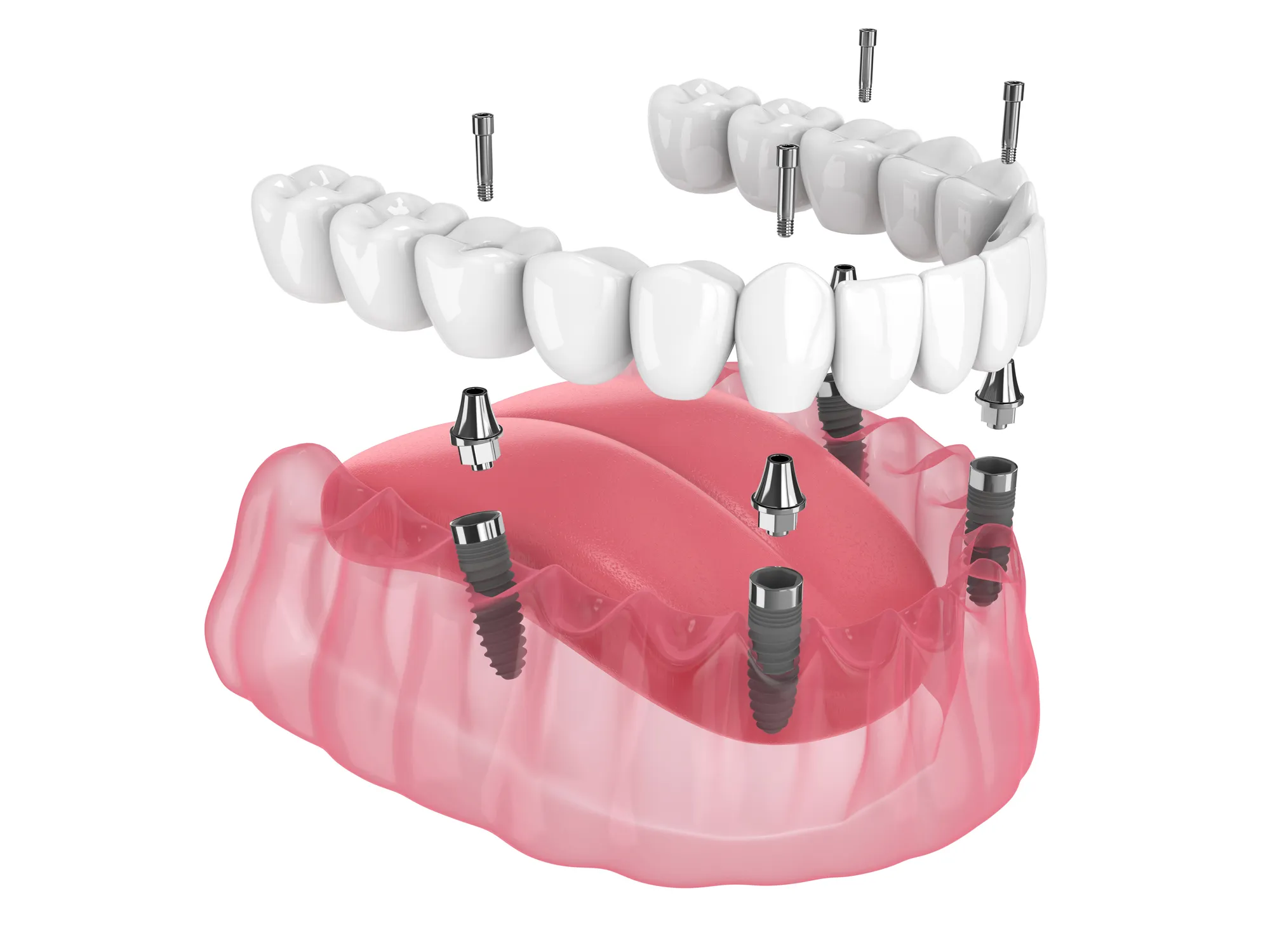
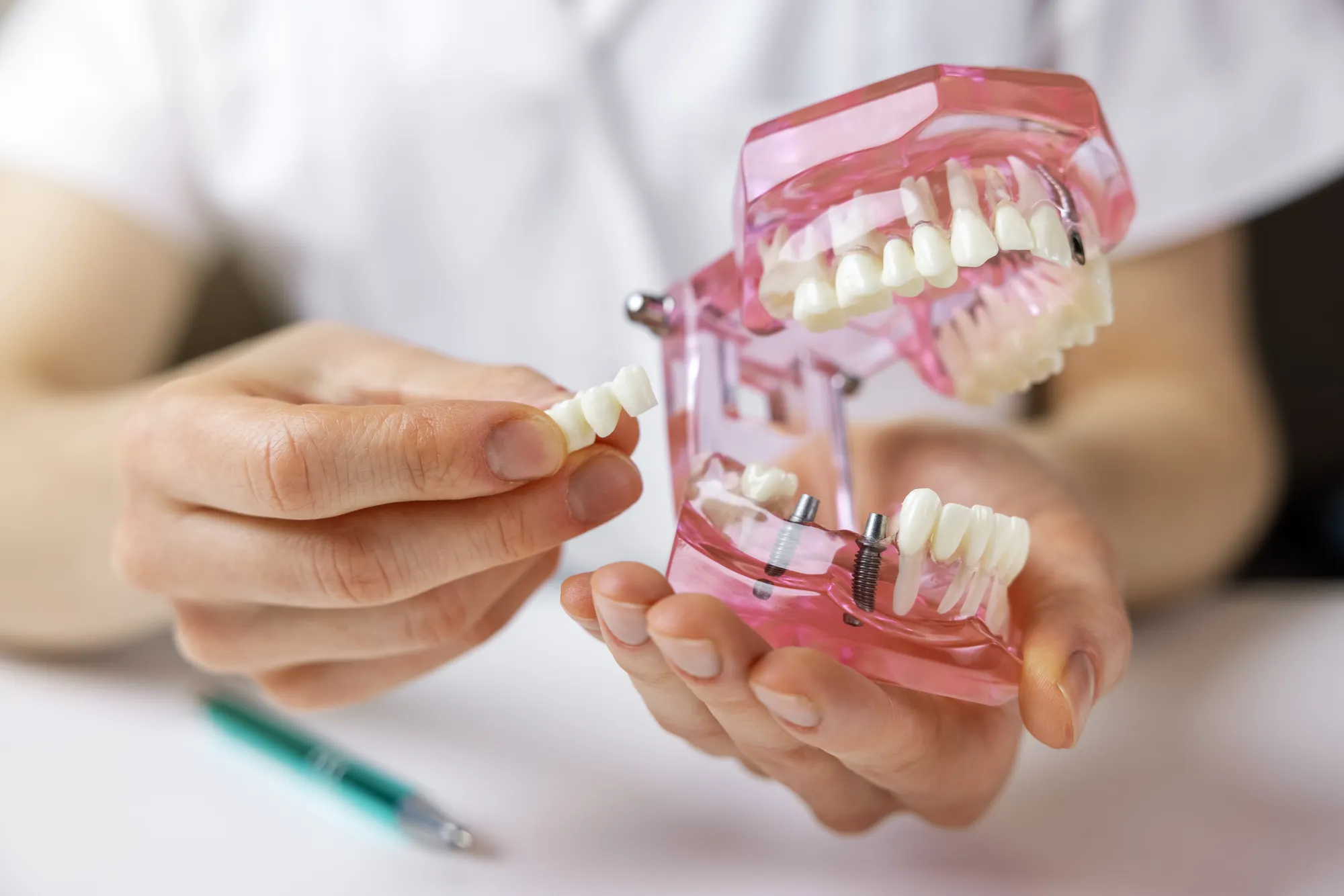
When a tooth is infected, the realistic options are to treat it or remove it. Saving your natural tooth with a root canal is almost always preferable — nothing functions quite like your own tooth, and keeping it preserves your bite and jawbone. If an infected tooth is instead extracted, you’re then faced with replacing it through a dental implant or bridge. A root canal lets you keep what nature gave you.
What the Procedure Is Actually Like
Here’s the part that surprises most people: a modern root canal feels much like getting a filling. The experience, step by step:
- Numbing: The tooth and surrounding area are fully numbed, so you’re comfortable throughout. For anxious patients, sedation dentistry is available.
- Removing the infection: The inflamed or infected pulp is gently removed, and the inside of the tooth is cleaned and disinfected.
- Sealing: The cleaned canals are filled and sealed to prevent reinfection.
- Protecting the tooth: Because a treated tooth can become brittle, it’s usually protected with a dental crown to restore full strength and function.
Most patients describe the relief afterward as immediate — the deep ache that brought them in is finally gone.
Recovery and Aftercare
Recovery is typically quick and mild. Some tenderness for a few days is normal and usually managed with over-the-counter pain relief. Most people return to work or school the very next day. Brush and floss as usual, and avoid chewing hard foods on the treated tooth until your permanent crown is placed.