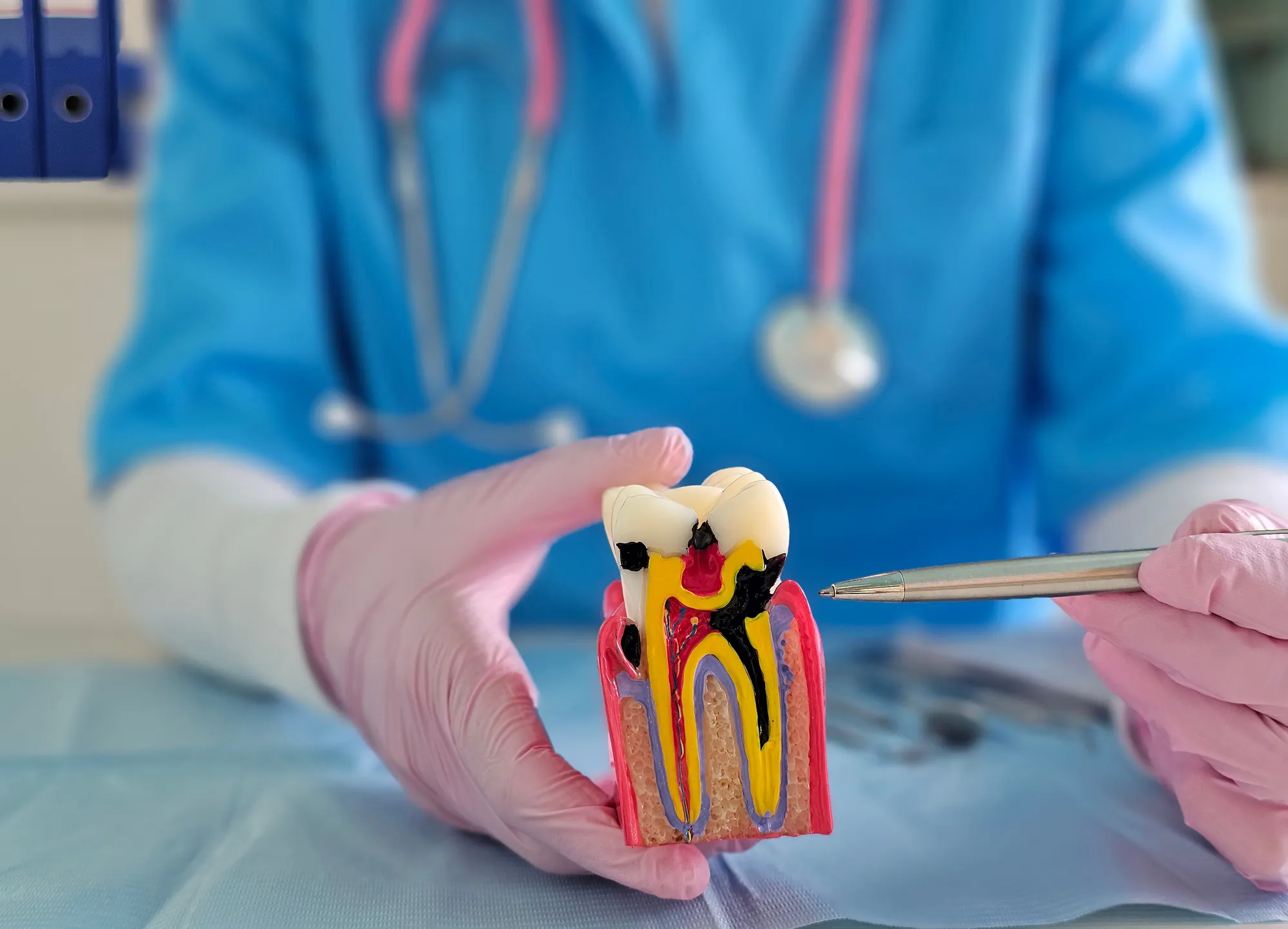
The cost of a dental implant varies because it depends on more than the implant itself. The main factors are: how many teeth you’re replacing, whether you need preparatory procedures like bone grafting or a sinus lift, the type of final restoration (single crown, bridge, or full arch), and the imaging and planning involved. Rather than a single sticker price, think of implant cost as a personalized treatment plan. At Upper Dental, that plan starts with a free consultation and can be paired with financing, including 0% interest options.
One of the first questions patients ask about dental implants is “how much will this cost?” It’s a fair question — and one that deserves a transparent answer instead of a vague “it depends.” While every case is unique, understanding what actually drives the cost helps you make a confident, informed decision. Here’s what goes into it.
Why There’s No Single Price for a Dental Implant
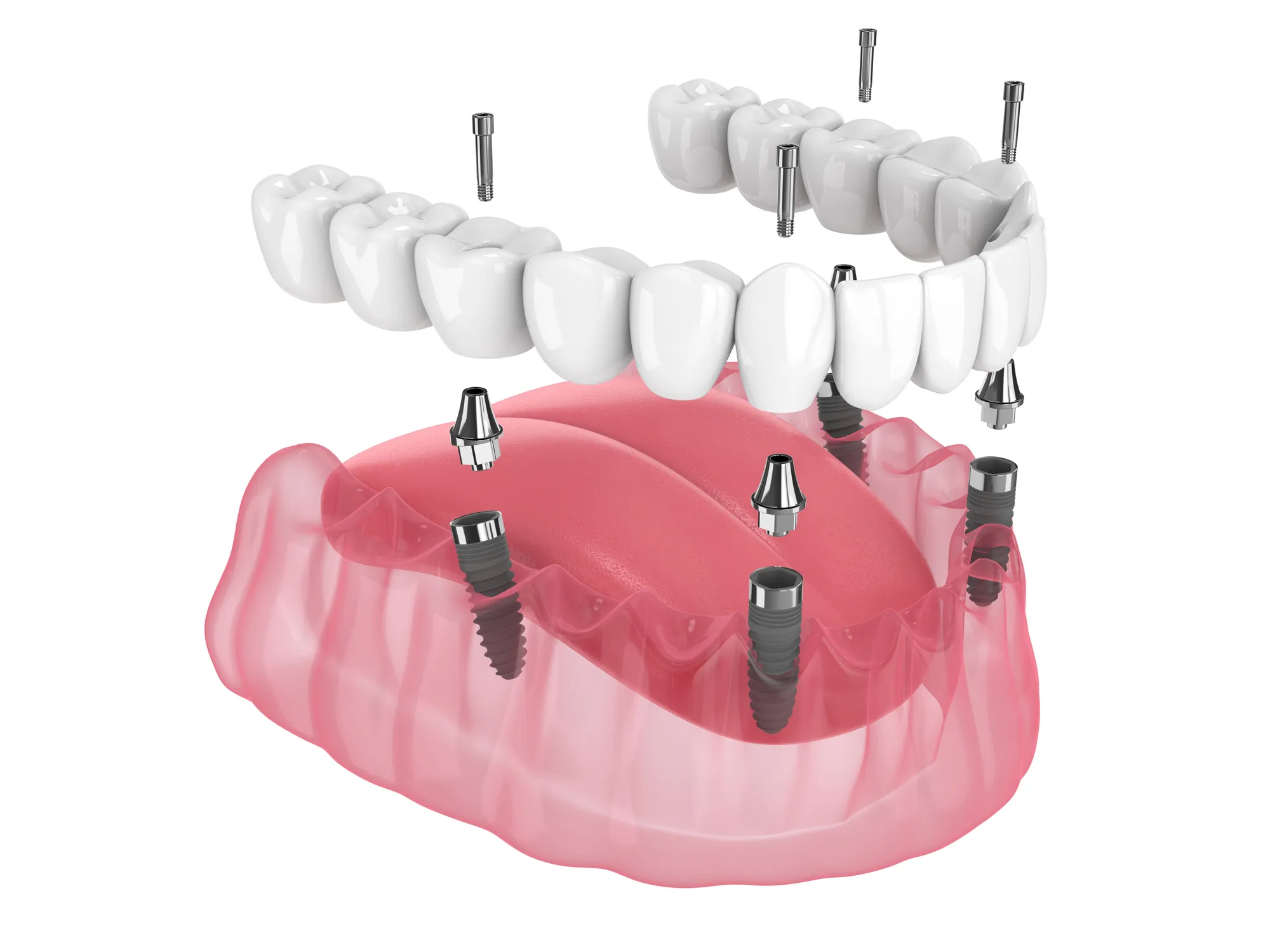
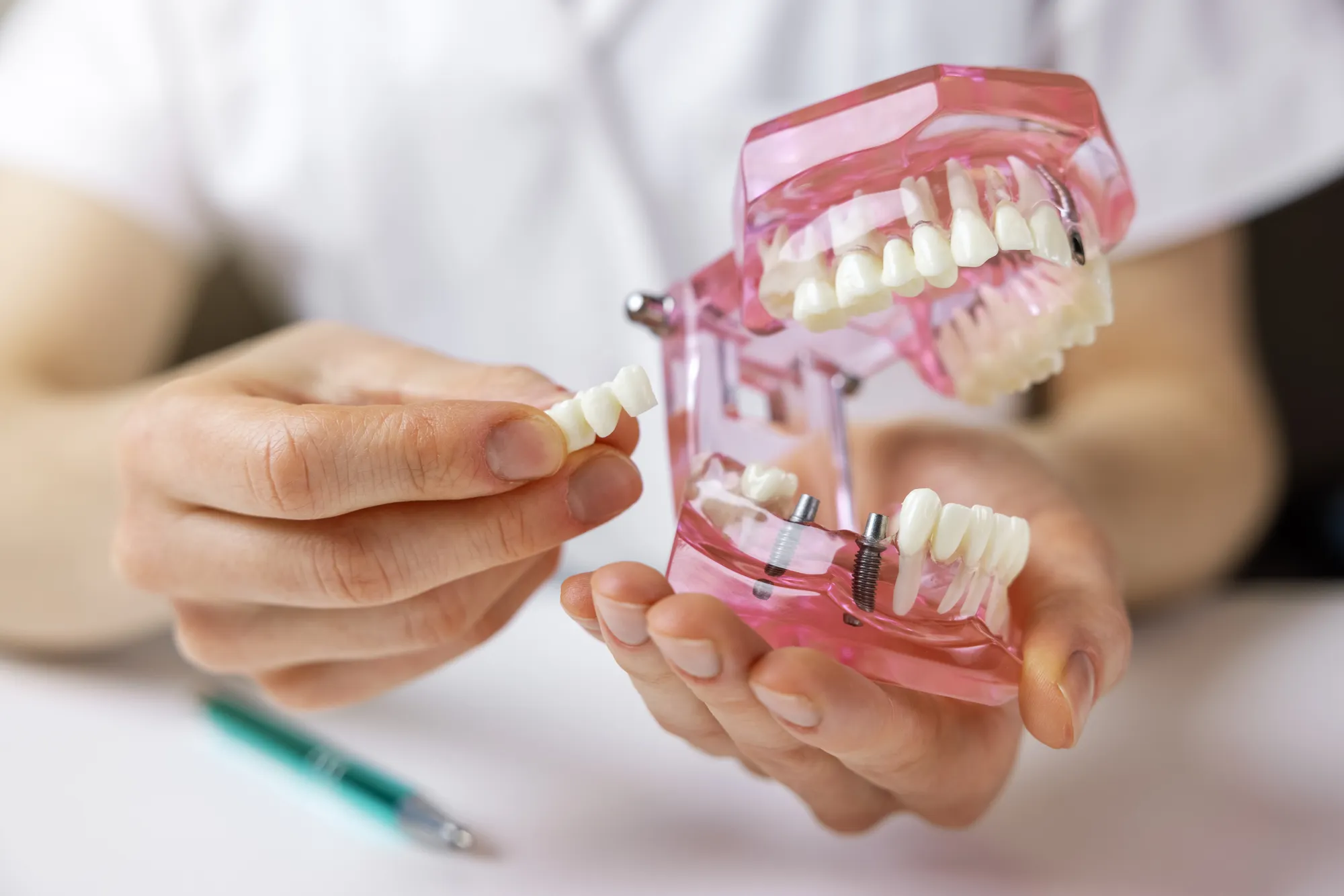
A dental implant isn’t one item — it’s a small system with three parts: the implant post (which replaces the tooth root), the abutment (the connector), and the restoration (the visible crown, bridge, or arch on top). On top of that, the procedure includes diagnostic imaging, surgical placement, and follow-up care. Two patients replacing “one tooth” can have very different plans depending on their bone, their goals, and their overall oral health.
The Main Factors That Affect Implant Cost
1. How Many Teeth You’re Replacing
Replacing a single tooth is different from restoring a full arch. A single implant supports one crown, while options like a full-arch restoration or All-on-4 replace an entire row of teeth on several implants. More teeth and more implants naturally affect the total.
2. Whether You Need Bone or Sinus Preparation
Implants need a solid foundation. If bone has been lost over time — which is common after teeth have been missing for a while — you may need bone grafting or ridge augmentation to rebuild it. For implants in the upper back jaw, a sinus lift may be needed to create room. These preparatory steps add to the plan but are what make long-term implant success possible.
3. The Type of Restoration
The final teeth attached to your implants — a single crown, a bridge, or a fixed full arch — are customized for fit, function, and a natural appearance. The materials and complexity of that restoration factor into the cost.
4. Imaging and Guided Planning
Precise treatment relies on 3D CBCT imaging and computer-guided implant planning. This technology improves safety and predictability — and helps avoid surprises down the road.
Is a Dental Implant Worth the Investment?
When patients compare implants to alternatives, the value becomes clearer. Unlike a traditional bridge or dentures, an implant replaces the tooth root, which helps preserve the jawbone and prevents the bone loss that changes facial appearance over time. Implants are designed to last decades — often a lifetime — which frequently makes them more cost-effective in the long run than solutions that need periodic replacement.
How Financing Makes Implants Affordable
The total cost of treatment doesn’t have to be paid all at once. Upper Dental works with a wide range of financing partners, including CareCredit, Cherry, Sunbit, and others, with 0% interest options available for those who qualify. We also offer membership plans for patients without insurance. Our goal is straightforward: to make world-class implant care genuinely within reach, with clear, upfront pricing and no pressure.