
Wisdom teeth are the last molars to come in, usually between ages 17 and 25. They often need to be removed when there isn’t enough room for them, when they come in at an angle (impacted), or when they cause pain, crowding, or infection. The procedure is done with local anesthesia and optional sedation, takes under an hour in most cases, and recovery typically takes a few days to a week. Swelling, mild discomfort, and tenderness are normal early on; severe pain, heavy bleeding, or fever are not and should prompt a call to your dentist.
Few dental topics come with as much anxiety — or as much secondhand advice — as wisdom teeth. The reality is far less daunting than most people expect. Whether yours are already causing trouble or your dentist has flagged them during a routine visit, here’s a clear, honest guide to wisdom teeth removal and what the experience is actually like.
What Are Wisdom Teeth, and Why Do They Cause Problems?
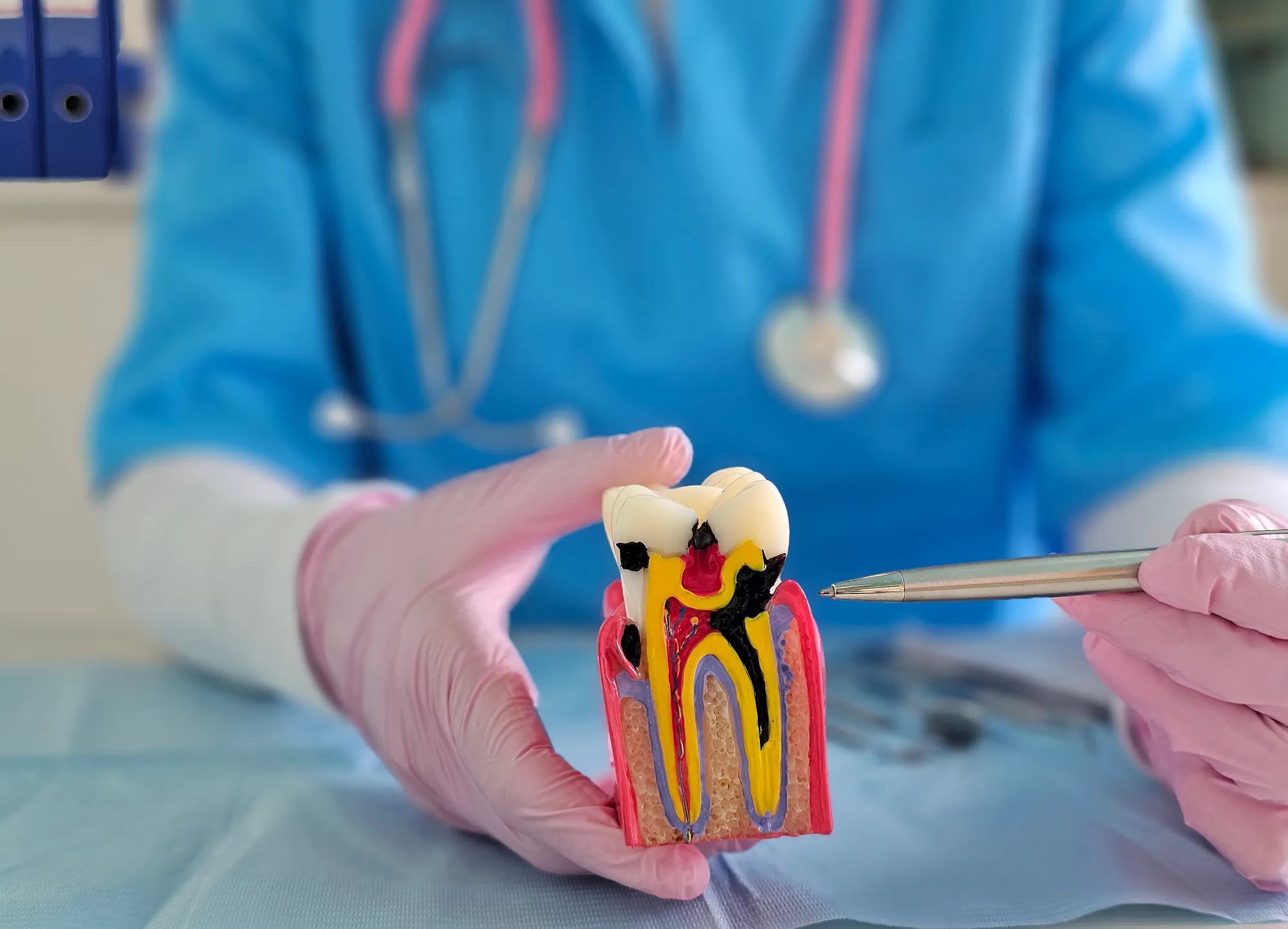
Wisdom teeth are your third molars — the final set of teeth to emerge at the very back of your mouth. For many people, the jaw simply doesn’t have enough space to accommodate them. When that happens, they can become impacted (trapped beneath the gum or bone), come in at an angle, or push against neighboring teeth. Even when they do erupt fully, their position at the back of the mouth makes them hard to clean, which can lead to decay and gum problems.
How to Know If Your Wisdom Teeth Need to Come Out
Not everyone needs their wisdom teeth removed — but many do. These are the most common signs it’s time to have them evaluated:
- Pain or tenderness at the back of the mouth or jaw
- Swelling or redness around the gums behind your molars
- Crowding or a feeling that your other teeth are shifting
- Repeated infections or food and debris trapping around a partially erupted tooth
- Difficulty opening your mouth or persistent bad breath from the area
Sometimes there are no symptoms at all, and the issue is caught on a routine dental X-ray — which is exactly why regular exams and cleanings matter. Catching an impacted wisdom tooth early, before it causes damage, often makes treatment simpler.
The Procedure: What Actually Happens
Modern wisdom teeth removal is a routine, well-controlled procedure. Here’s the typical sequence:
- Planning: We review 3D imaging to see the exact position of each tooth and its roots relative to nerves and sinuses.
- Comfort: The area is fully numbed with local anesthesia. For anxious patients or more complex cases, sedation dentistry keeps you calm and comfortable throughout.
- Removal: The tooth is gently removed; impacted teeth may be sectioned into smaller pieces for easier, less invasive removal.
- Finishing: The site is cleaned and, if needed, stitched. You’ll rest briefly before heading home with detailed aftercare instructions.
Most removals take well under an hour. Because wisdom teeth removal falls under the broader category of tooth extractions, our team brings the same gentle, precise approach to every case.
Recovery: What’s Normal and What’s Not
Recovery is usually quicker than people expect — often a few days of taking it easy. Here’s what to anticipate and how to heal comfortably:
Normal in the first few days
- Mild to moderate swelling in the cheeks (peaks around day 2–3)
- Tenderness and stiffness in the jaw
- A small amount of oozing or spotting the first day
- A firm feeling or small lump at the site as it heals
Tips for a smooth recovery
- Rest and keep your head elevated for the first day
- Use cold compresses on the cheek to manage swelling
- Stick to soft foods and avoid straws, which can disturb the healing site
- Follow your pain-relief and rinsing instructions exactly
- Avoid smoking, which significantly slows healing
Call your dentist if you have
- Severe or worsening pain after the third day
- Heavy bleeding that doesn’t slow with gentle pressure
- Fever, pus, or a bad taste that won’t go away
- Numbness that persists well beyond the procedure