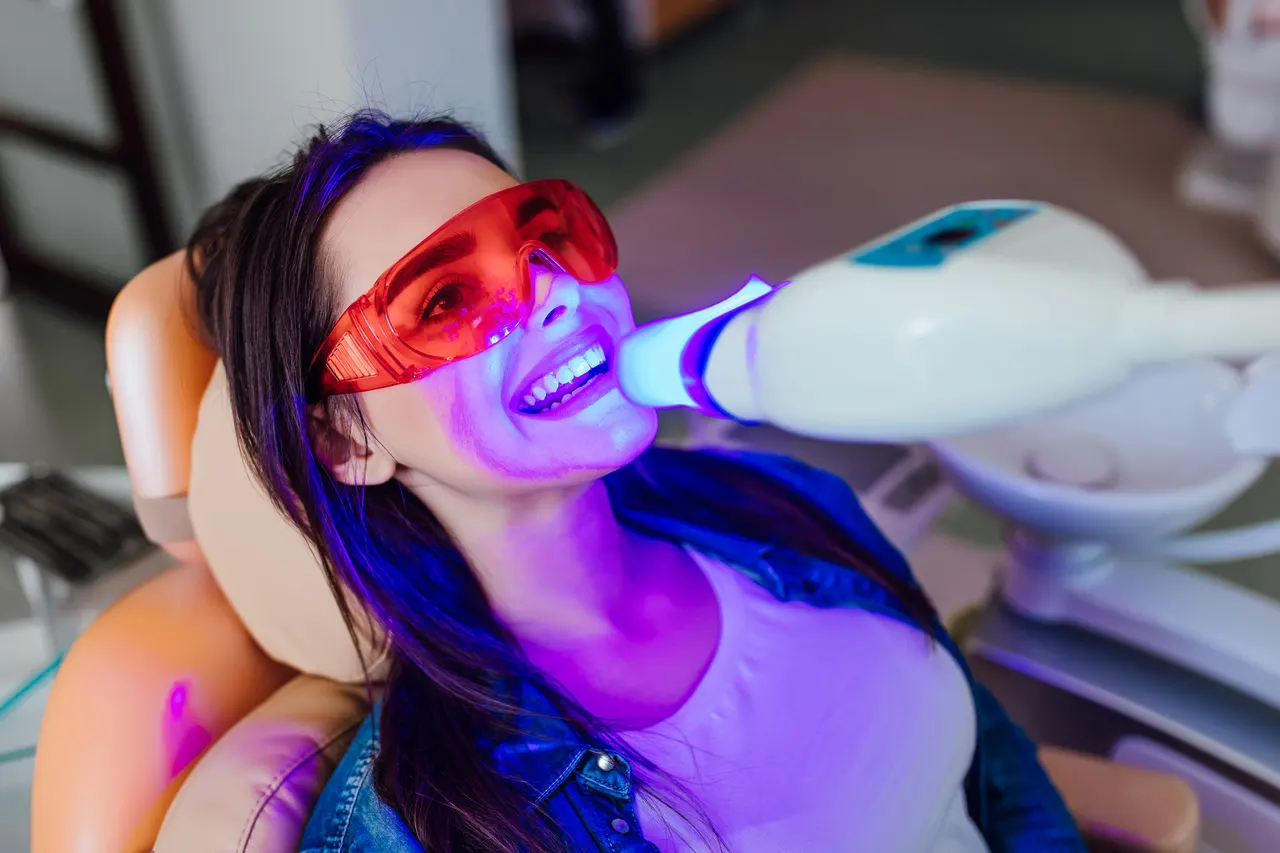
Professional teeth whitening uses stronger, dentist-supervised formulas to lighten teeth far more effectively than over-the-counter strips or toothpastes — often several shades in a single visit. It works best on surface and age-related yellowing. Some stains (from certain medications, trauma, or inside the tooth) don’t respond to whitening and are better addressed with veneers or bonding. Whitening is safe when supervised by a dentist, who can protect your gums and tailor the strength to minimize sensitivity. Results last longer with good habits and occasional touch-ups.
A brighter smile is one of the most requested — and most achievable — cosmetic upgrades. But between drugstore strips, charcoal pastes, and viral hacks, it’s hard to know what actually works. Here’s an honest guide to professional teeth whitening, what causes stains, and how to get real, lasting results.
What Causes Teeth to Stain?
Understanding the cause helps set the right expectations. Stains generally fall into two categories:
- Extrinsic stains sit on the surface and come from coffee, tea, red wine, and tobacco. These respond very well to whitening.
- Intrinsic stains come from within the tooth — caused by certain medications, trauma, or aging. These are harder to whiten and sometimes need a cosmetic solution instead.
Why Professional Whitening Outperforms Store-Bought Kits
Over-the-counter products aren’t useless — they’re just limited. They use low concentrations of whitening agents and a one-size-fits-all delivery that can miss spots or irritate gums. Professional whitening is different in three key ways:
- Stronger, safer formulas that produce dramatic results a drugstore kit can’t match
- Customized to you, with gum protection and strength tailored to minimize sensitivity
- Professional guidance, so you know your teeth and gums are healthy enough to whiten in the first place
We offer both in-office treatments for immediate, dramatic brightening and custom take-home kits for gradual whitening on your schedule — or a combination of both.
When Whitening Isn’t the Answer (and What Is)
Whitening is fantastic for yellowing, but it won’t change the color of existing dental work, and it can’t fix deep intrinsic stains, chips, or shape concerns. When that’s the goal, other cosmetic options work better:
- Veneers: thin porcelain shells that cover stubborn stains, chips, and shape issues — see our veneers options.
- Dental bonding: a conservative fix for small chips and discoloration — learn about dental bonding.
For a full transformation, many patients combine whitening with other treatments as part of a personalized smile makeover.
Making Your Results Last
Whitening isn’t permanent, but good habits stretch your results: limit staining foods and drinks (or sip through a straw), don’t smoke, brush and rinse after coffee or wine, and keep up with regular cleanings. Occasional touch-ups with a take-home kit keep your smile bright for the long haul.